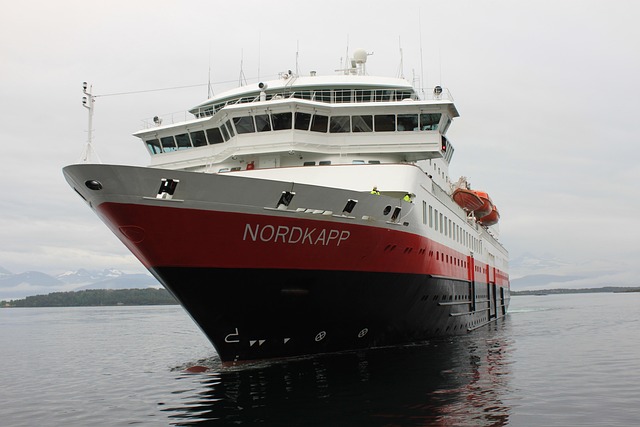
Cruise Line Sexual Assault Lawyer Indianapolis, IN: A Comprehensive Overview
Introduction
In the vast and ever-evolving maritime industry, the issue of sexual assault on cruise ships has gained significant attention, prompting the rise of specialized legal services: cruise line sexual assault lawyers. This article delves into the critical role these attorneys play in protecting victims, ensuring justice, and navigating the complex legal landscape within the unique context of cruise ship operations. Specifically, we will explore their practices in Indianapolis, IN, highlighting key aspects, challenges, and the overall impact on victim advocacy. By examining these factors, we aim to provide a comprehensive understanding of why such legal expertise is indispensable in this domain.
Understanding Cruise Line Sexual Assault Lawyers in Indianapolis, IN
Definition and Core Components
A cruise line sexual assault lawyer in Indianapolis, IN, is a legal professional who specializes in handling cases involving sexual misconduct or assault that occurs on cruise ships operating within the jurisdiction of Indiana. These lawyers are well-versed in maritime law, which governs cruise ship operations, as well as state laws pertaining to sexual assault and criminal justice. Their core responsibilities include:
- Victim Advocacy: Supporting and guiding victims through legal processes, ensuring their rights are protected, and helping them seek justice.
- Criminal Proceedings: Collaborating with local law enforcement and prosecutors to build strong cases against perpetrators, aiming for successful prosecutions.
- Civil Litigation: Assisting victims in filing civil lawsuits against cruise lines for negligence or failure to protect passengers, seeking compensation for damages.
- Negotiation and Mediation: Engaging in settlement negotiations to achieve favorable outcomes for clients without the need for lengthy trials.
Historical Context and Significance
The concept of cruise line sexual assault lawyering emerged as a response to growing concerns about safety and justice on cruising vessels. Historically, cruise ships, despite their luxurious appeal, have been associated with various crimes, including sexual assault, due to their isolated nature and international operating environment. This has led to several high-profile cases that brought the issue to the forefront of public awareness and legal scrutiny.
In recent years, there has been a notable increase in reported sexual assaults on cruise ships, sparking international debates about passenger safety and the accountability of cruise lines. As a result, many countries, including the United States, have enacted or updated laws to address these issues, emphasizing the need for specialized legal services to protect victims and hold perpetrators accountable.
Global Impact and Trends
International Influence
The impact of cruise line sexual assault lawyers extends far beyond Indianapolis, as cruising is a global industry with diverse passenger and crew demographics. Here are some key international trends and influences:
- Increasing Awareness: The work of these lawyers has contributed to heightened awareness about sexual assault on cruise ships worldwide, leading to more robust reporting and improved safety measures by many cruise lines.
- Cross-Border Jurisdiction: Cruise ships often sail between multiple nations, presenting challenges in jurisdiction. Lawyers must navigate international laws and legal systems to secure justice for victims, highlighting the complex nature of this practice.
- Global Standardization: International organizations and maritime regulators are working towards standardizing safety protocols and legal frameworks to address sexual assault on cruise ships, ensuring consistency across borders.
Regional Variations and Challenges
Different regions face unique challenges when it comes to cruise line sexual assault cases:
| Region |
Challenges |
Opportunities |
| North America |
Stricter laws and more robust legal systems provide a solid foundation for victim advocacy. |
The presence of well-established legal practices facilitates easier access to specialized lawyers. |
| Europe |
Diverse legal systems and language barriers can complicate cases, requiring lawyers to possess multilingual skills. |
A strong human rights culture promotes reporting and supports victims' rights. |
| Asia Pacific |
Cultural norms and attitudes towards sexual assault vary, impacting reporting rates and legal outcomes. |
Growing middle class and increasing awareness among cruise ship passengers drive demand for specialized legal services. |
| Middle East |
Strict local laws and conservative cultural contexts may limit public discourse on sexual assault. |
Cruise lines operating in the region are adopting more robust safety measures to address these concerns. |
Economic Considerations
Market Dynamics and Investment Patterns
The cruise industry, including legal services related to sexual assault, operates within a dynamic economic landscape:
- Market Growth: The global cruise ship passenger market has experienced steady growth, fueled by increasing disposable incomes and a desire for unique travel experiences. This expansion creates a larger pool of potential clients for sexual assault lawyers.
- Investment Opportunities: Law firms specializing in cruise line sexual assault cases can attract significant investments from venture capital firms and private equity companies, recognizing the high-impact nature of this legal niche.
- Cost Implications: Victims of sexual assault on cruise ships often face substantial medical and psychological expenses, creating a financial incentive for them to seek compensation through civil lawsuits.
Role in Economic Systems
Cruise line sexual assault lawyers play a unique role in economic systems by:
- Promoting Accountability: By holding cruise lines and perpetrators accountable, these lawyers contribute to the overall safety and integrity of the cruising industry, which is essential for its long-term sustainability and growth.
- Fostering Tourism: Enhanced passenger safety measures and improved handling of sexual assault cases can positively impact the tourism industry, as satisfied cruise ship passengers are more likely to repeat or recommend these travel experiences.
- Supporting Victims' Economic Recovery: Successful civil lawsuits can provide victims with the financial resources necessary for recovery, enabling them to rebuild their lives after traumatic events.
Technological Advancements and Their Impact
Digital Tools for Legal Practice
Technology has revolutionized the legal profession, and cruise line sexual assault lawyers are no exception:
- Case Management Software: Specialized software allows lawyers to efficiently manage complex cases, track evidence, and communicate with clients and professionals.
- Online Legal Research: Access to extensive online databases enables attorneys to quickly research maritime law, local jurisdiction laws, and previous case outcomes, enhancing their legal strategies.
- Video Conferencing: This technology facilitates remote consultations, depositions, and court appearances, making it easier for lawyers to represent clients regardless of their location.
Enhancing Victim Support
Technological innovations also benefit victims:
- Mobile Apps: Cruise lines are developing mobile applications that provide real-time safety information, emergency contact details, and resources for reporting sexual assault, empowering passengers to take proactive measures.
- Digital Evidence Collection: With advancements in digital forensics, lawyers can now gather and preserve electronic evidence more effectively, which is crucial in modern cases involving social media interactions or digital communication.
- Virtual Reality Therapy: Some victims opt for virtual reality therapy sessions to confront and overcome trauma associated with sexual assault on cruise ships, offering a unique approach to psychological recovery.
Policy and Regulation: Governance of Cruise Line Sexual Assault Cases
Key Policies and Legislations
The legal framework surrounding cruise line sexual assault cases is shaped by various policies and regulations:
- Maritime Laws: These govern the operation of cruise ships and establish jurisdiction, often leaving room for local laws to fill in gaps related to criminal and civil liability.
- Cruise Ship Safety Regulations: International organizations like the International Maritime Organization (IMO) set standards for shipboard security and passenger protection, which include provisions for handling sexual assault cases.
- Local Criminal Laws: Each jurisdiction has its own laws regarding sexual assault, rape, and related offenses, determining the applicable charges and penalties against perpetrators.
- Civil Justice Laws: State laws govern civil lawsuits, outlining procedures for filing claims, statutes of limitations, and potential damages victims may recover.
Influence on Legal Practice
Policies and regulations significantly influence the practice of cruise line sexual assault law:
- Jurisdiction and Law Application: Lawyers must navigate complex jurisdiction issues, especially when cruise ships sail between multiple countries, ensuring they adhere to relevant laws while advocating for their clients' rights.
- Legal Precedents: Successful cases set precedents that shape future legal strategies and outcomes, as both prosecutors and defense attorneys learn from these precedents.
- Cruise Line Policies: Cruise lines often implement stricter safety protocols and training programs in response to legal pressures, which can impact the nature and presentation of evidence in court.
Challenges and Criticisms: Overcoming Obstacles
Main Challenges Faced by Cruise Line Sexual Assault Lawyers
Despite their specialized expertise, these lawyers encounter several challenges:
- Statute of Limitations: Strict time limits for filing civil lawsuits pose a challenge, as victims may be hesitant to come forward due to fear or uncertainty about the legal process.
- Jurisdictional Issues: Navigating different legal systems and jurisdictions can be complex, especially when evidence and witnesses are scattered across multiple countries.
- Victim Hesitancy: Some victims of sexual assault on cruise ships may be reticent to report or pursue legal action due to concerns about stigma, potential retaliation, or the emotional toll of litigation.
- Evidence Preservation: Ensuring the preservation of digital and physical evidence is crucial but challenging, especially when it involves social media interactions or conversations that were not initially documented.
Strategies for Overcoming Challenges
To address these issues, lawyers employ various strategies:
- Legal Awareness Campaigns: Educating potential victims about their rights and the legal process empowers them to take action and report incidents promptly.
- Multijurisdictional Expertise: Developing a network of international legal colleagues helps attorneys navigate complex jurisdiction matters and share best practices.
- Digital Evidence Preservation: Investing in advanced digital forensics techniques ensures the integrity and admissibility of electronic evidence, strengthening cases.
- Victim Support Services: Collaborating with local support organizations provides victims with resources for counseling, legal aid, and advocacy, fostering a supportive environment.
Case Studies: Successful Applications and Lessons Learned
Case Study 1: The Victory in Miami
In a landmark case in Miami, FL, a cruise line sexual assault lawyer successfully represented a young woman who was assaulted on a popular Caribbean cruise. The attorney's strategic use of CCTV footage, witness testimonies, and digital communication records led to a substantial settlement and set a precedent for holding cruise lines accountable for their security measures. This case demonstrated the power of comprehensive evidence collection and the importance of swift legal action.
Case Study 2: A Complex International Incident
A complex case involved a passenger from Europe who was assaulted while on a trans-Atlantic cruise. The lawyer faced challenges in gathering evidence and navigating different legal systems. Through meticulous investigation, they uncovered surveillance footage from multiple ships, eventually leading to the perpetrator's arrest and conviction in multiple jurisdictions. This case highlighted the value of international collaboration among legal professionals and law enforcement.
Lessons Learned:
- Comprehensive Evidence: In all cases, thorough documentation and collection of evidence, both physical and digital, are crucial for successful outcomes.
- Multidisciplinary Approach: Collaborating with experts in psychology, forensics, and maritime security enhances the strength of legal arguments and victim support.
- International Network: Building a global network of colleagues facilitates the sharing of knowledge and resources, improving outcomes for victims across borders.
Future Prospects: Emerging Trends and Growth Areas
Potential Growth Areas
The field of cruise line sexual assault law is poised for growth in several areas:
- Specialized Training Programs: Law schools and legal institutions may introduce specialized programs to educate future lawyers on maritime law, sexual assault cases, and victim advocacy.
- Technological Advancements: Emerging technologies like blockchain could revolutionize evidence preservation and secure data sharing, enhancing transparency and efficiency in legal processes.
- Global Legal Collaboration: Increased international cooperation among legal professionals and organizations will foster a more unified approach to addressing cruise line sexual assault cases worldwide.
Emerging Trends
Several trends are shaping the future of this legal niche:
- AI-Assisted Research: Artificial intelligence tools can analyze vast legal databases, providing lawyers with efficient case research capabilities and predictive analytics for strategic decision-making.
- Virtual Reality in Training: Law firms may incorporate virtual reality simulations to train attorneys on navigating complex cruise ship environments and potential scenarios involving sexual assault.
- Prevention and Education: There is a growing emphasis on proactive measures to prevent sexual assault, with cruise lines investing in comprehensive safety programs and legal professionals advocating for enhanced passenger education.
Conclusion: Navigating the Future of Cruise Line Sexual Assault Law
Cruise line sexual assault law in Indianapolis, IN, and beyond, is a dynamic and critical field that continues to evolve. As the cruising industry grows and technological advancements shape legal practices, these lawyers play an indispensable role in ensuring justice for victims and maintaining the integrity of cruise ship operations. By addressing challenges, embracing innovations, and collaborating on a global scale, they contribute to creating safer travel experiences for all.
FAQ Section: Addressing Common Concerns
Q: What are the rights of victims of sexual assault on cruise ships?
A: Victims have the right to report the incident to cruise line security and law enforcement, seek medical attention, preserve evidence, and pursue legal action against perpetrators or cruise lines for negligence.
Q: How do I know if I have a valid case for sexual assault on a cruise ship?
A: Valid cases typically involve physical or emotional harm resulting from non-consensual sexual contact or harassment. Consulting with an experienced cruise line sexual assault lawyer can help determine the strength of your potential case.
Q: Can I pursue legal action if the incident occurred years ago?
A: The statute of limitations varies by jurisdiction, but many cases can be pursued even after several years. Prompt reporting and documentation are crucial to preserving evidence and ensuring a timely legal response.
Q: How does maritime law differ from local criminal laws in sexual assault cases?
A: Maritime law sets standards for shipboard operations and safety, while local criminal laws govern specific offenses. Cruise line sexual assault lawyers must navigate both to ensure a comprehensive understanding of applicable laws and their interactions.
Q: What role do cruise lines play in preventing and addressing sexual assault on their ships?
A: Cruise lines are responsible for providing safe travel environments, implementing security protocols, training crew members, and cooperating with legal authorities in the event of an incident. They also offer victim support services and work to enhance passenger safety through industry collaborations.
February 25, 2026
cruise line sexual assault lawyer Indianapolis IN Expert
Indiana's cruise line sexual assault cases involve complex legalities, including ship jurisdiction, maritime laws, state statutes, and international conventions. Victims need experienced Indianapolis attorneys specializing in these areas to navigate criminal/civil procedures, understand statute.......
Read more →
February 21, 2026
cruise line sexual assault lawyer Indianapolis IN Expert
Survivors of sexual assault on cruise lines face unique challenges. Key steps include recognizing legal rights, documenting incident details, and engaging an expert cruise line sexual assault lawyer Indianapolis IN. These attorneys specialize in maritime law, interpret laws, address jurisdiction, pr.......
Read more →
February 17, 2026
cruise line sexual assault lawyer Indianapolis IN Expert
Cruise line sexual assault cases in Indianapolis demand specialized legal expertise due to unique state and federal laws, international jurisdictions, and cruise ship operations. Cruise line sexual assault lawyers, attorneys, and law firms in Indianapolis IN navigate these complexities, offering cru.......
Read more →
February 15, 2026
cruise line sexual assault lawyer Indianapolis IN Expert
In Indianapolis, cruise line sexual assault cases require specialized legal expertise due to federal, state, and maritime laws. Reputable cruise line sexual assault lawyers/attorneys/firms in Indianapolis have deep knowledge of jurisdiction, regulations, and advocacy for victims. Key services includ.......
Read more →
February 7, 2026
cruise line sexual assault lawyer Indianapolis IN Expert
Cruise line sexual assault victims in Indiana require specialized legal counsel to navigate jurisdictional complexities and maritime law. Indianapolis-based lawyers with expertise in these areas provide crucial support, guiding clients through evidence collection, claim filing, and advocacy for thei.......
Read more →